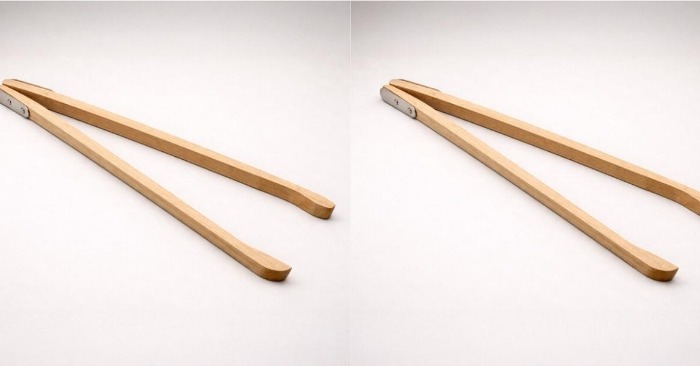
At first glance, it looks like nothing more than two long wooden sticks connected by a metal strip. Simple. Almost meaningless.
But for older generations, this odd-looking object instantly brings back memories of steaming laundry, boiling water and exhausting household work that lasted for hours.
The item in the photo is an old-fashioned wooden laundry tong — a tool once found in homes across villages long before washing machines changed daily life forever.
Back then, laundry was not something done with the push of a button. Washing clothes was a full process that demanded time, strength and patience.
Large metal pots filled with water stood over open fire while sheets, towels and clothes boiled inside with soap, soda and sometimes grated laundry soap. Steam filled the air, water bubbled violently, and pulling soaking hot fabric out with bare hands was impossible.
That is exactly where these wooden tongs became essential.
Women used them to grab the boiling laundry safely, lifting heavy wet fabric from the scorching water before transferring everything into tubs or buckets for rinsing.
The design was surprisingly clever despite looking so simple.
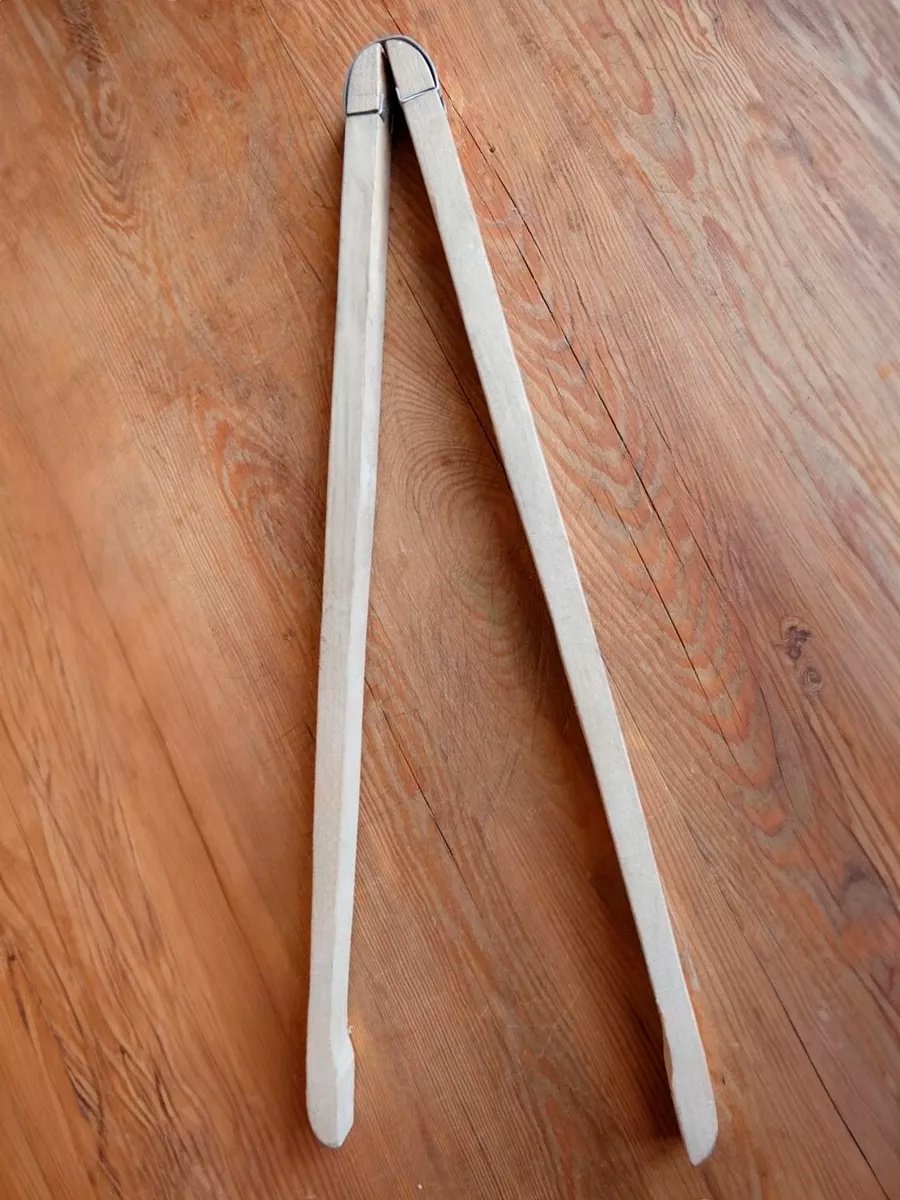
Two strong wooden slats were connected at the top with metal plates or rivets. Thanks to the natural flexibility of the wood, the tongs pressed tightly together when squeezed by hand, making it easy to grip slippery fabric securely.
Their long shape also protected hands from hot steam and splashes of boiling water.
These tools were usually made from durable hardwoods like beech or ash so they could survive years of constant use without breaking.
Interestingly, the item had different names depending on the region.
In many parts of Ukraine, people simply called them “laundry tongs” or “tongs.” In Polissia, they were often known as “grabbers,” while in Podillia some referred to them as “washing tongs.” In Galicia, smaller versions were sometimes called “little tongs,” and in Slobozhanshchyna people occasionally used the word “grips.”
The names changed from village to village, but the purpose stayed exactly the same — protecting the hands of the woman doing the washing.
Today, these wooden tongs have almost disappeared completely. Most people only spot them in museums, abandoned attics or old countryside homes.
But for many older people, they are far more than just a forgotten household tool. They are a reminder of a time when clean laundry came from hours of hard work, and every object inside the home had a real purpose and a story behind it.