As temperatures rise and people spend more time outdoors, a hidden danger begins to return to gardens, parks and backyards across the country.
Most people know ticks can be a problem during the warmer months, but far fewer know what to look for before those pests emerge.
One of the biggest surprises is that ticks don’t build traditional nests. Instead, female ticks lay large clusters of eggs close to the ground, often hidden among grass, leaves or other vegetation.

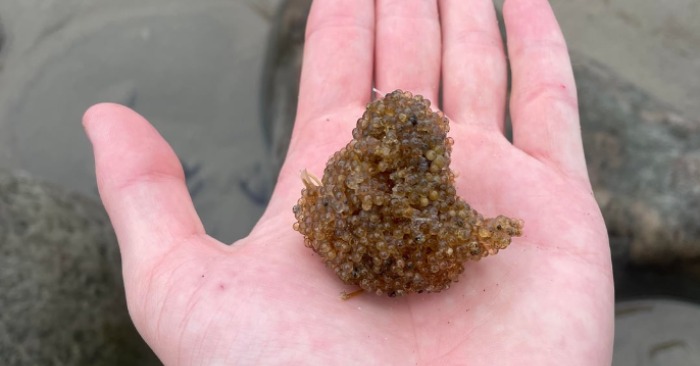
These egg masses can be surprisingly easy to overlook. They often appear as tiny shiny spheres grouped tightly together, resembling fish eggs or caviar. Depending on the species, they may appear dark, reddish or almost translucent.
Each individual egg is incredibly small — about the size of a period on a page — but a single cluster can contain hundreds or even thousands of future ticks.
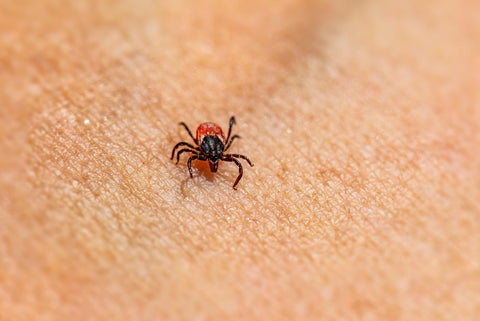
Because the eggs stick together in a gelatinous mass, many people mistake them for harmless insect eggs, plant material or even debris from the garden.
The real danger comes later. Once hatched, young ticks quickly spread into surrounding areas where they may attach themselves to pets, wildlife and even people.
That’s why experts encourage homeowners to stay alert and regularly inspect yards, especially areas with tall grass, heavy vegetation and places where pets frequently play.
Spotting these clusters early could help prevent a much larger problem later.