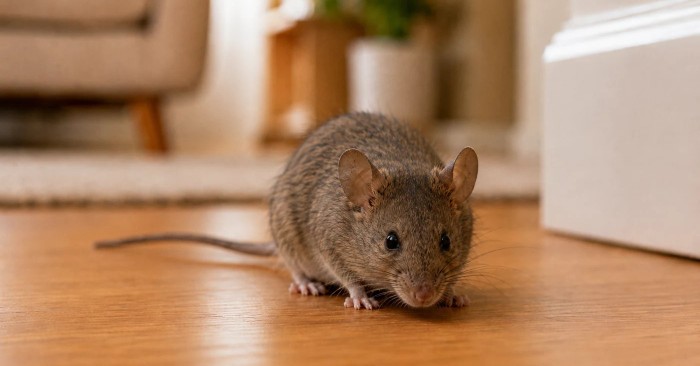
Finding a mouse scurrying across your kitchen floor is enough to make anyone jump. And when temperatures start dropping, the problem can get much worse. Those tiny creatures that look adorable in pet cages suddenly become very unwelcome visitors when they start hiding behind cupboards, chewing through belongings, and searching for food in your home.
The trouble is that mice and rats aren’t simply looking for a quick visit. They’re searching for warmth, shelter, and something to eat. A small gap near a pipe, a crack beneath a door, or an opening in the basement can be all they need to get inside. Once they’ve settled in, getting rid of them can become a frustrating battle, especially if they’ve found somewhere comfortable to nest.

Before trying any household tricks, it’s worth checking whether rodents are already making themselves at home. Dusk is a useful time to investigate garages, basements, and quiet corners with a flashlight. Look for small droppings, gnawed surfaces, shredded paper, or suspicious openings along walls. These little clues can reveal a problem long before you actually see a mouse.
One of the simplest ways to make your home less attractive to rodents is to remove everything they’re looking for. Clean up crumbs, store food securely, and never leave pet food sitting out overnight. Kitchens, storage areas, and garages deserve particular attention. Without easy access to food, rodents have less reason to remain, although cleaning alone won’t stop them from entering.
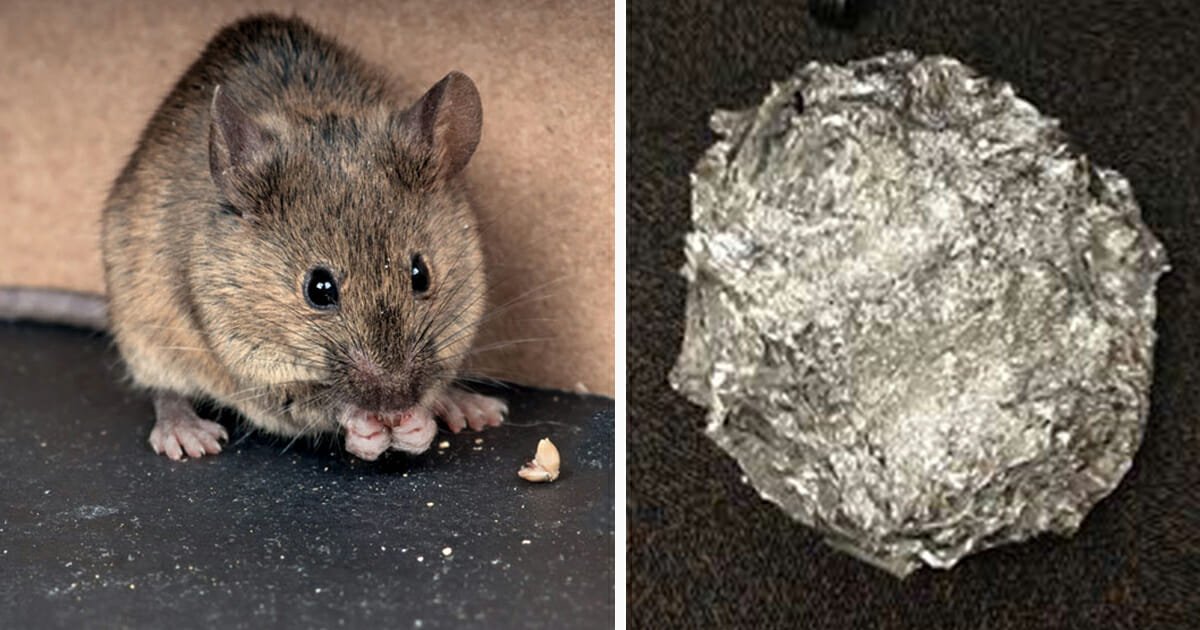
But here’s the household item that often surprises people: aluminum foil. Some homeowners stuff it into small openings or wrap certain items with it, hoping its texture will discourage mice from chewing or squeezing through. However, foil by itself isn’t a reliable barrier. For lasting protection, openings should be sealed with rodent-resistant materials such as metal mesh, steel wool secured with sealant, or appropriate metal flashing.

There are also several scent-based tricks that people swear by. Cotton balls soaked in peppermint oil are sometimes placed near suspected entry points, while others use strongly scented soap, garlic, cayenne pepper, or dryer sheets. The idea is that powerful smells might make rodents uncomfortable. Unfortunately, these methods have limited evidence behind them and shouldn’t be expected to keep determined mice away. Essential oils also require caution around pets.
Baking soda is another household product sometimes recommended for areas where mouse activity has been noticed. However, sprinkling it around isn’t a dependable way to repel rodents, and it shouldn’t be used as a substitute for proper pest control. Anyone with pets should also keep household powders and other potentially irritating substances out of their reach.
For people who prefer not to use lethal traps, catch-and-release devices are another option. Some can even be made using ordinary household materials, including plastic bottles. However, live traps must be checked frequently, and releasing captured rodents may be restricted by local rules. Properly positioned traps and professional pest-control advice are often more effective when an infestation is already established.
The biggest secret to avoiding a rodent invasion isn’t an expensive gadget or a miracle-smelling product. It’s making your house difficult to enter and unattractive once inside. Seal gaps, remove food sources, reduce clutter, and check suspicious areas regularly. A few simple precautions before winter can save you from discovering some very unwanted guests later.