“No electricity, no steam — but their clothes looked perfect” 👗🕰️ How did they do it centuries ago? The answer isn’t what you think… Discover the forgotten method in the article below 👇📜
Look at old portraits of women in magnificent gowns and imagine — without steamers or modern irons, how did they manage to smooth every delicate fold and layer? Back then, all fabrics were natural, skirts were heavy and layered, and wrinkles were nearly impossible to avoid. Yet people developed clever and practical ways to keep their clothing presentable.

For poorer households, clothing was often made from coarse, tightly woven linen. Garments were carefully rolled or stored in chests to reduce creases, but wrinkles were still inevitable. In South America, one common method was to place damp clothing between two flat stones until it dried. Over time, the stones were heated before use and even fitted with handles to make them easier to work with.

Those with more wealth could afford silk or velvet. Velvet was especially valued because it barely wrinkled and only needed time to hang and settle. For smaller details like lace or detachable sleeves, people used a beater and a rolling pin wrapped in fabric to smooth them out. Deep folds could be dampened and exposed to steam until they relaxed.

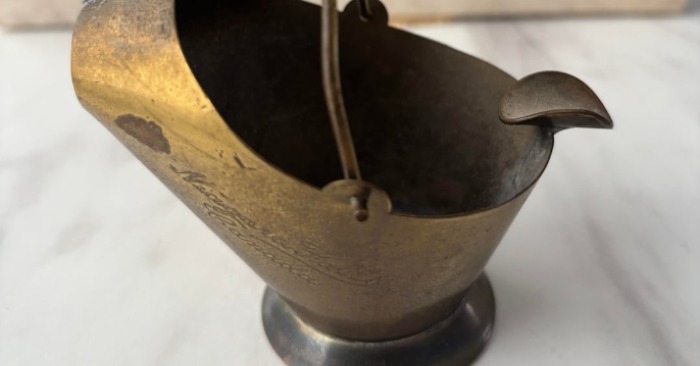
In China, a unique solution was a long-handled metal pan filled with hot coals or boiling water, functioning much like a primitive iron.

It wasn’t until 1882 that the first electric iron appeared. It was heavy — about seven kilos — slow to heat, and awkward to use. By the time it was ready, many probably decided to simply wear their clothes with a few wrinkles left.