“Captain, the left engine is losing power!”
Andrew felt his stomach tighten.
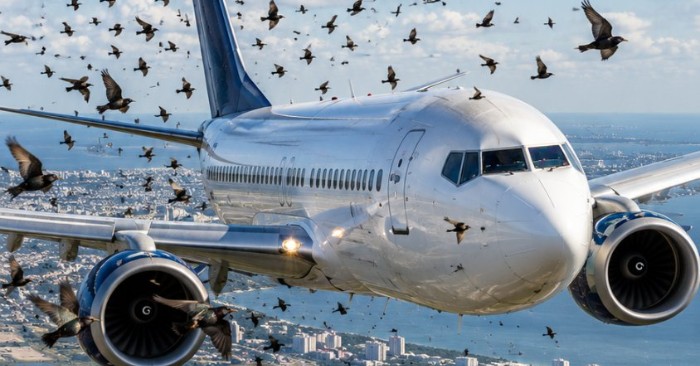
The right engine had already failed. Now the second was vibrating violently, and the aircraft was losing altitude.
“Restart procedure,” he ordered.
His copilot worked through the checklist while Andrew searched desperately for somewhere to land.
The nearest airport was too far.
Below them stretched a wide coastal bay.
Flight 417 had 186 passengers on board. Andrew knew that one wrong decision could cost every life.
He made the emergency announcement.
“Brace for impact. We are preparing for a water landing.”
Screams filled the cabin.
Flight attendants rushed to secure the passengers.
Andrew lowered the aircraft toward the bay, fighting to maintain the correct speed and angle.
Then came a tremendous impact.
Water exploded against the windows.
The aircraft shook violently before finally stopping.
For one terrible second, nobody moved.
Then a baby began crying.
They were alive.
The crew immediately began evacuating passengers onto the wings and inflatable rafts.
Nearby rescue boats rushed toward the aircraft.
By an extraordinary combination of skilled flying, quick evacuation and favorable conditions, all 186 passengers and the crew survived.
But the mystery was only beginning.
Investigators recovered damaged engine components and examined the aircraft.
Both engines showed evidence of bird strikes.
Yet the most important discovery came from the coastline.
That morning, a private contractor had begun clearing a large wetland beside an industrial development site.
Heavy machinery had disturbed an enormous bird roost. A fire that started during the clearing operation had spread through dry vegetation, filling the area with smoke.
Thousands of frightened birds had taken flight almost simultaneously.
They weren’t attacking the airplane.
They were desperately escaping.
And the aircraft had climbed directly into their path.
When Andrew learned the truth, he remembered the dark cloud rising from the coastline.
“That wasn’t just smoke,” he whispered. “Their entire habitat was being destroyed.”
The investigation found serious failures in how the land-clearing work had been coordinated with local wildlife and aviation authorities.
The operation was suspended while officials reviewed the environmental and safety violations.
Weeks later, Andrew visited the wetland.
Blackened reeds stretched across the damaged ground. Volunteers were working to restore the habitat.
Nearby, a small flock of birds settled beside the water.
One of the rescued passengers, a little boy who had been aboard Flight 417, stood beside Andrew.
“Were the birds trying to hurt us?” he asked.
Andrew watched them quietly.
“No,” he replied. “They were frightened, just like we were.”
The boy held his mother’s hand.
“Did they get home?”
Andrew didn’t answer immediately.
Because some of those birds no longer had a home to return to.
The pilot eventually returned to flying, but he never forgot that day.
He had spent his career believing that the greatest dangers came from storms, mechanical failures and human mistakes.
That afternoon taught him something else.
Sometimes a disaster in the sky begins with something people have done on the ground.