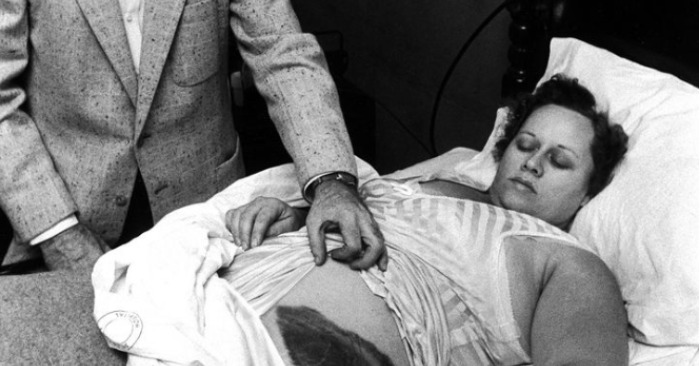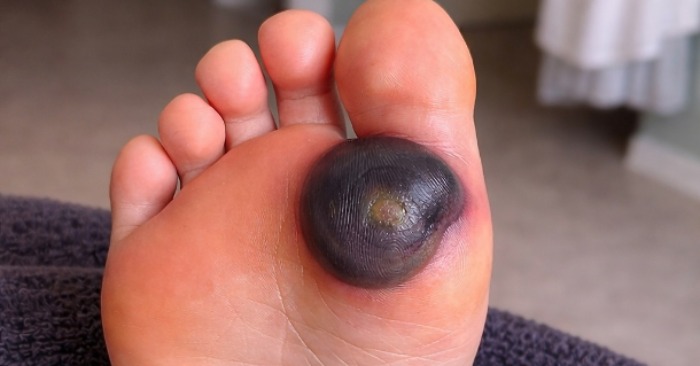
It can show up overnight — dark, swollen, and painful. One moment everything seems fine, and the next, your child wakes up with a strange spot that makes even walking difficult. It looks alarming, and the first thought is often: what is this?
In many cases, this kind of mark turns out to be a blood blister. It forms when tiny blood vessels under the skin break, but the surface of the skin stays intact. The trapped blood creates a raised, dark red or purple bubble that looks much more serious than it usually is.

Blood blisters most often appear on areas that deal with pressure — like the soles of the feet or toes. Tight shoes, friction, or even a small unnoticed injury can trigger it. Sometimes it only takes repeated rubbing or a single moment of pressure to cause it.
The discomfort can be real. Pain, tenderness, and difficulty moving the foot are common, especially if the blister is in a spot that takes weight while walking. It may also feel swollen or sensitive to touch.

Even though it looks scary, most blood blisters are harmless and heal on their own within one to two weeks. The key is to leave it intact. The skin covering it acts as natural protection, and breaking it can lead to infection.
Basic care usually helps. Reducing pressure on the area, keeping it clean, and using a cold compress can ease the pain and swelling. Comfortable footwear is especially important to avoid further irritation.

However, there are moments when it shouldn’t be ignored. If the blister keeps growing, becomes extremely painful, shows signs of infection, or doesn’t heal within two weeks, it’s important to seek medical advice. The same applies if similar spots appear repeatedly without a clear reason.
While blood blisters are usually simple injuries, they can feel dramatic — especially when they appear suddenly. The good news is that in most cases, the body handles them on its own.