At first glance, they don’t seem dangerous at all.
Those small, bright pink clusters stuck to walls, rocks, or plants can look almost decorative — like something natural and harmless. Most people wouldn’t think twice before walking past them.
But that’s exactly the problem.

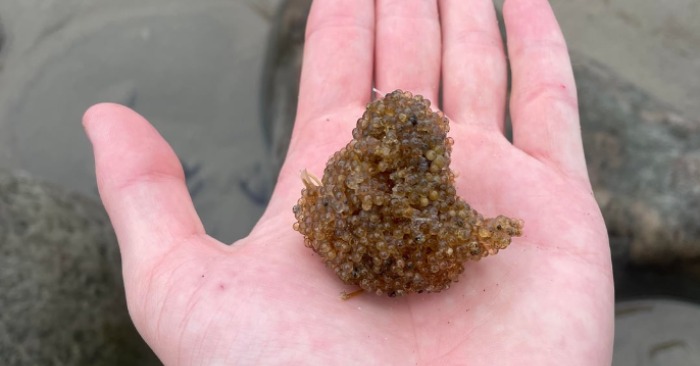
These clusters are actually eggs of apple snails — an invasive species known for spreading quickly and causing serious damage to plants, crops, and entire ecosystems.
What looks small can turn into something much bigger.
Apple snails thrive in wet environments like ponds, lakes, and even garden water features. They adapt easily and can survive tough conditions by sealing themselves inside their shells and hiding in mud until conditions improve.

But the real risk starts early.
Each cluster of those bright pink eggs can contain hundreds of future snails — sometimes up to 700. That means a single unnoticed group can quickly turn into a full infestation.
There’s also a health concern.
These snails may carry harmful parasites, so touching the eggs with bare hands should always be avoided. If you spot them, it’s important to act carefully and use gloves when removing them.
The safest method is simple.
Scrape the eggs off gently, seal them in a bag, crush them, and throw them away in the trash. Never wash them away or flush them, as that can spread them even further.
It’s also worth checking nearby areas.
Adult snails may already be present, and removing them early can prevent a bigger problem later. In some cases, freezing them is used to stop their spread completely.
The reason they’re appearing more often is surprisingly common.

Many of these snails were originally kept in aquariums, then released into the wild when they became too large or difficult to manage. What seemed like a harmless decision ended up creating a growing environmental issue.
And now, those pink clusters are showing up in more places.
They don’t move. They don’t look threatening.
But ignoring them can lead to a much bigger problem than most people expect.